The Art of Savile Row: A Legacy of English Tailoring
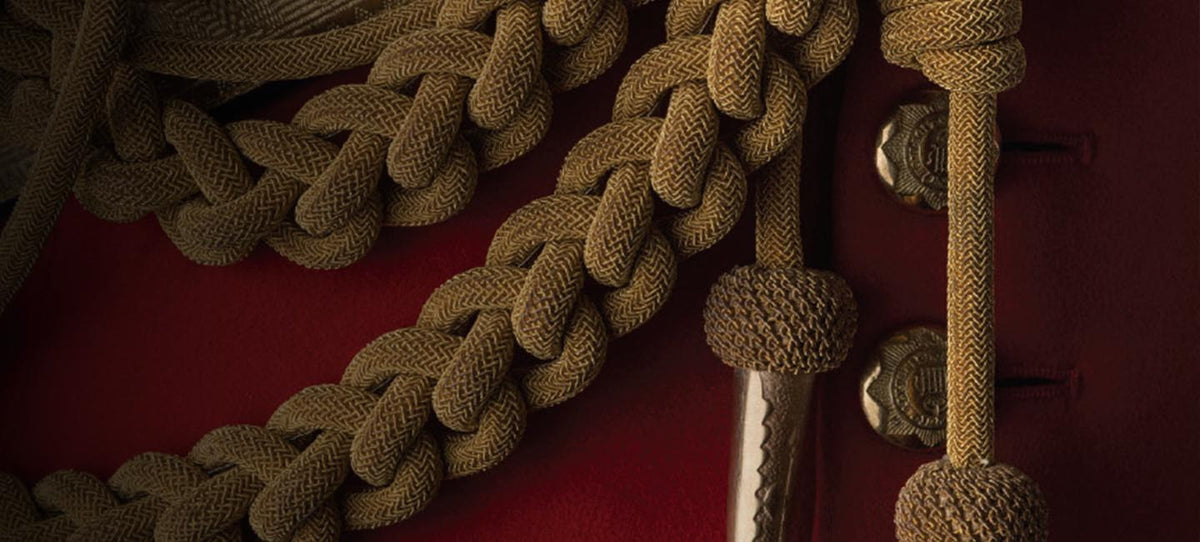
For more than two hundred years, a single London street has quietly defined the way the world understands the suit. Savile Row is not merely an address; it is a living tradition, a place where hand and eye conspire to produce garments of rare precision and beauty. At No. 1, Gieves & Hawkes has stood as custodian of that tradition since 1785, dressing naval officers, statesmen and gentlemen of discernment through every era of change.

The Origins of a Tradition
Savile Row took its name from Lady Dorothy Savile in the early eighteenth century, though the street's association with tailoring did not begin in earnest until Henry Poole set up shop in 1846. What drew the trade here was proximity to the gentlemen's clubs of St James's and the barracks of Mayfair, a clientele that demanded nothing less than perfection.
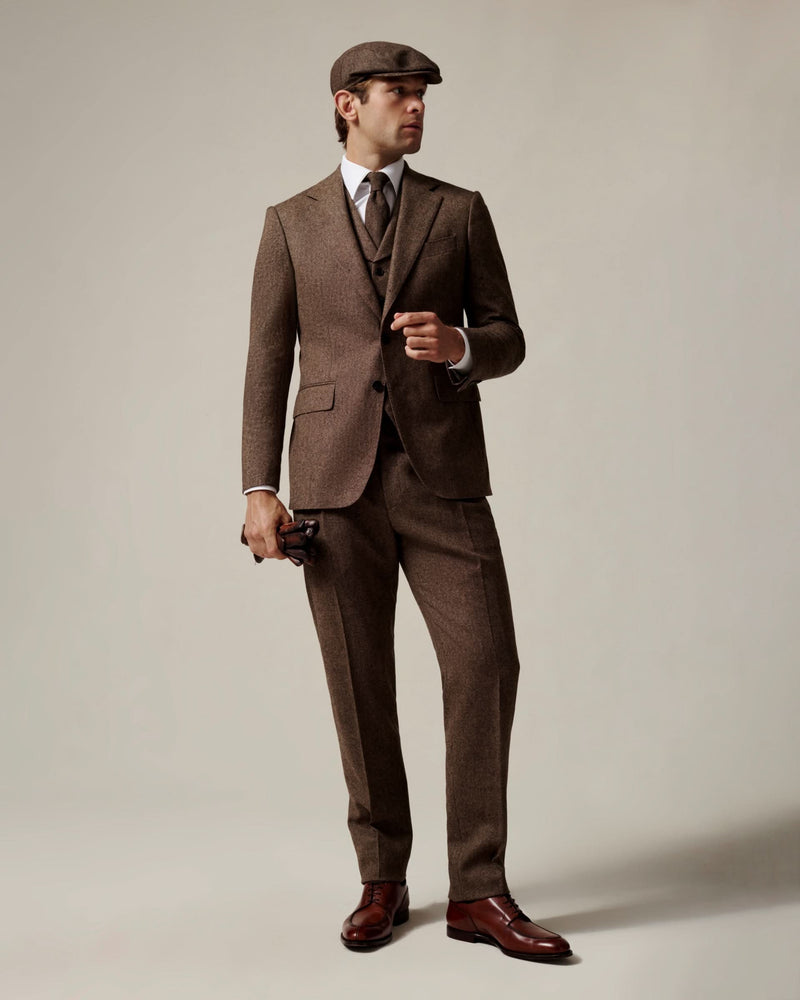
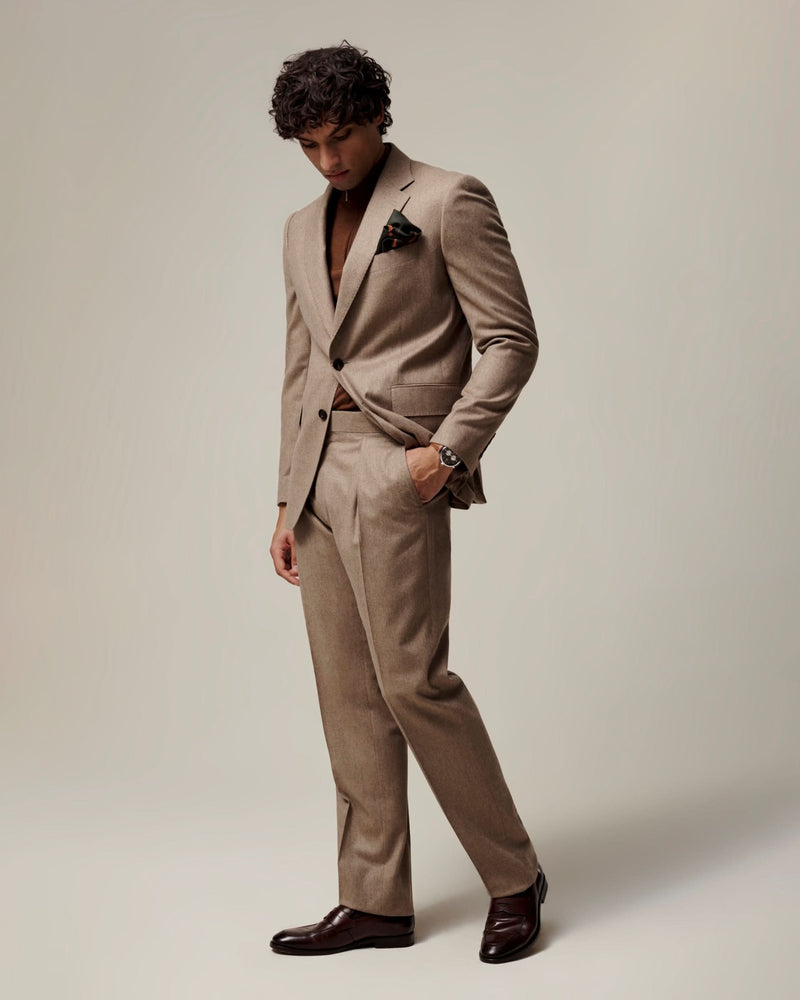
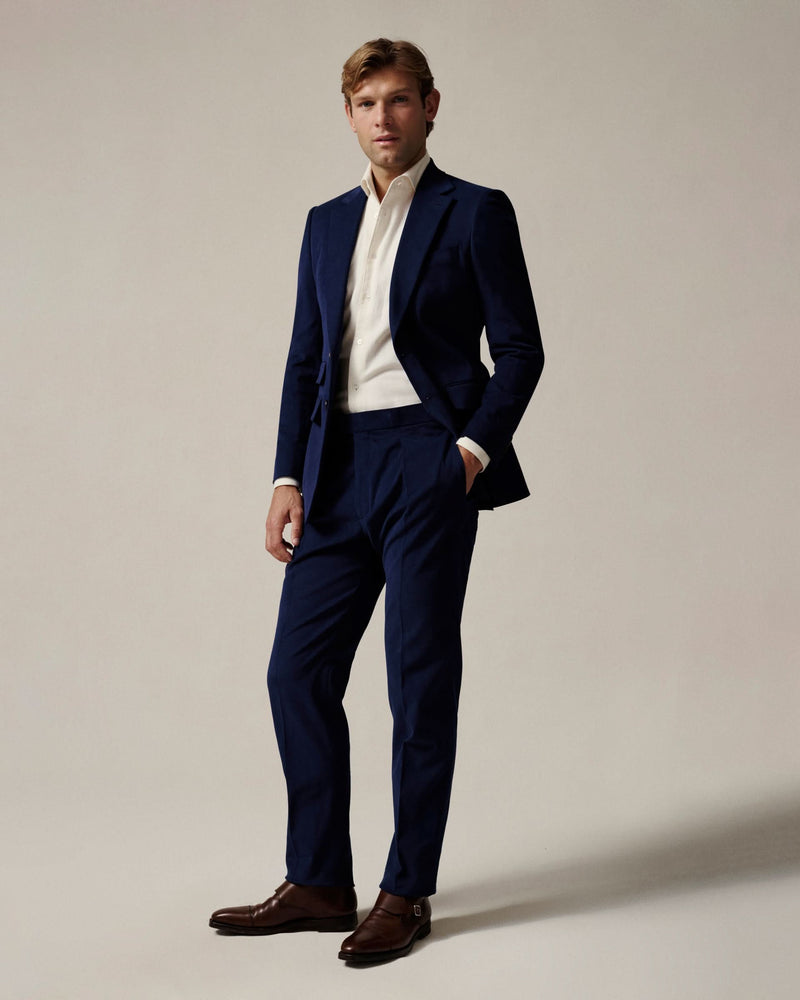
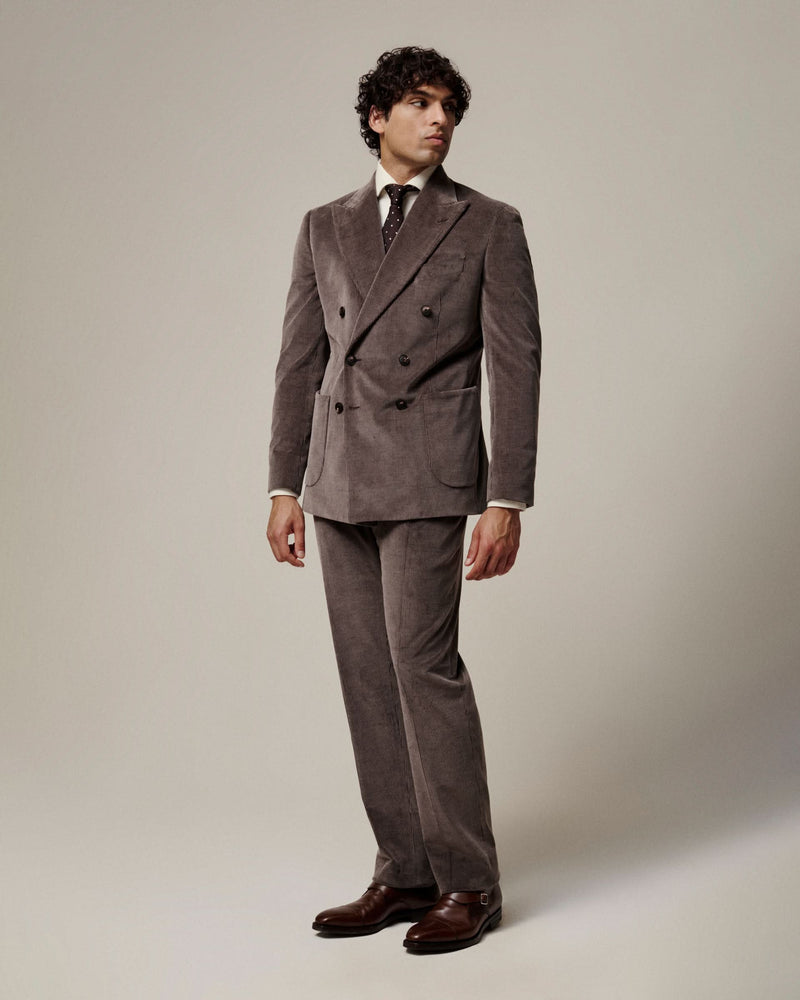
The tailors of the Row developed a distinctly English silhouette, one built on structured shoulders, a clean chest and a close yet comfortable waist. Unlike the softer drape of Continental cutting, the Savile Row method relied on meticulous pattern drafting and dozens of hours of handwork. A single bespoke suit might pass through forty pairs of hands before completion, each stitch contributing to a garment that moves with the wearer rather than against him.

Inside the Cutting Room
Step inside a Savile Row workroom and the atmosphere changes. Here, the hum of Mayfair traffic gives way to quiet concentration. Bolts of cloth from the finest English and Italian mills line the shelves. A master cutter studies measurements taken by hand, translating numbers and notes into a paper pattern that captures not only the client's proportions but his posture, the way he carries himself, the life the garment must accommodate.
This is the distinction between bespoke and made to measure. A bespoke pattern is created from scratch for each client. Every seam, every dart, every balance point is considered afresh. The result is a suit that sits naturally on the body, with no pulling at the collar, no excess cloth across the back, no compromise.

Cloth, Character and the English Style
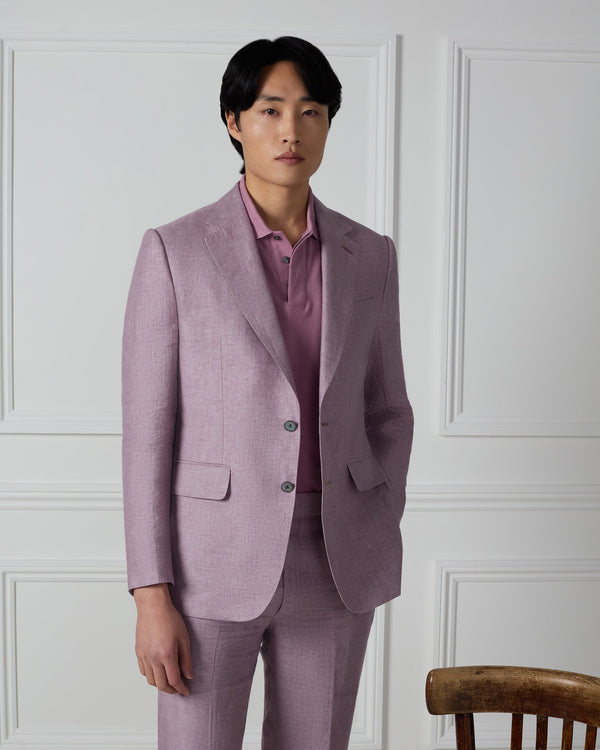
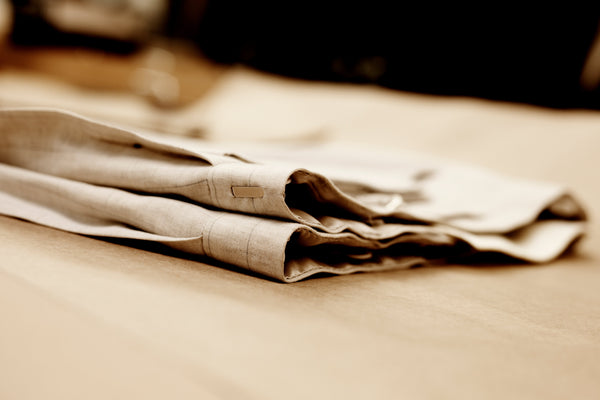
The English tradition has always placed cloth at the heart of tailoring. A well-chosen foundational suit begins with the right weight and weave, a Super 120s worsted for the boardroom, a robust cavalry twill for the country, or a crisp tropical weight for warmer months. The tactile experience of selecting cloth remains one of the great pleasures of commissioning a suit on the Row.
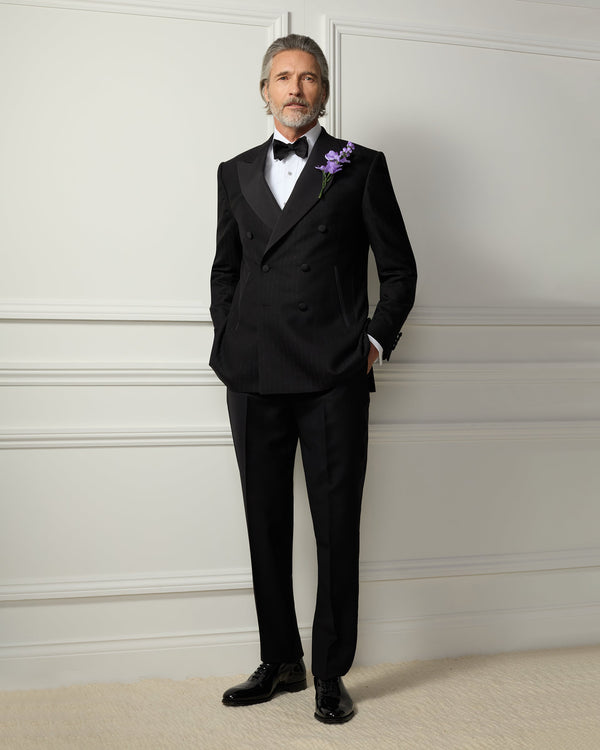
What defines the English style is restraint. Where other traditions favour bold construction or exaggerated proportions, Savile Row favours subtlety. A well-cut English suit should look effortless, as though the wearer simply woke up that elegant. It is an approach that has endured because it serves the same purpose today as it did in the nineteenth century: to make a man look like the best version of himself.

Savile Row has survived wars, recessions and the rise of fast fashion. It endures because the fundamental proposition has never changed: a garment made with care, from exceptional cloth, cut to the individual, will always have a place in a gentleman's wardrobe. Whether you are commissioning your first suit or adding to a lifetime collection, the Row remains the standard against which all else is measured.
At Gieves & Hawkes, that standard is something we have upheld for nearly two and a half centuries. We invite you to experience it for yourself.